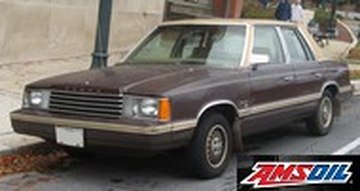
Engine Oil Maintenance for the 1983 Dodge ARIES 2.6L
Maintaining the lubrication system is one of the most critical aspects of long-term vehicle care. For a vehicle like the 1983 Dodge ARIES equipped with the 2.6L engine, regular attention to oil quality and levels ensures that internal components remain properly lubricated under various operating conditions.
How often should I change the oil in my 1983 Dodge ARIES 2.6L?
To determine the correct interval for an oil change, you should follow the owner's manual or the manufacturer maintenance schedule. Do not rely on estimated mileage or timeframes, as the specific requirements for your vehicle are defined by the original manufacturer documentation.
Understanding Engine Oil Viscosity
Viscosity refers to a fluid's resistance to flow. In an internal combustion engine, the oil must be thin enough to circulate quickly during a cold start but thick enough to maintain a protective film when the engine reaches operating temperature. For this specific 1983 Dodge ARIES application, the database allows for 10W-30.
Using the correct viscosity helps ensure that oil reaches critical engine components, such as camshafts and bearings, without undue delay. When selecting a product, always verify that the weight matches the requirements found in your vehicle's documentation to maintain proper lubrication characteristics.
The Role of the Oil Filter
Every time the engine oil is changed, the oil filter should be replaced as well. The filter is responsible for capturing contaminants, such as microscopic metal particles and carbon deposits, that naturally accumulate in the oil during engine operation. If a filter becomes saturated with debris, it can restrict oil flow or allow unfiltered oil to circulate through the engine.
While different filters may be listed for this vehicle, the primary goal is to ensure the replacement part functions correctly within the lubrication circuit. A clean filter is essential for maintaining the purity of the oil as it moves through the engine block and cylinder head.
Monitoring Oil Levels Regularly
Relying solely on scheduled maintenance intervals is not enough for optimal engine health. It is a practical habit to check the oil level using the engine's dipstick periodically. This helps identify potential issues such as slow leaks or unexpected consumption before they lead to mechanical complications.
When checking the level, ensure the vehicle is parked on a level surface and the engine is in the appropriate state (either recently shut off or after a specific warm-up period) as dictated by your owner's manual. If the oil level is consistently low between service intervals, it may indicate a need for further inspection of gaskets, seals, or internal components.
Identifying Oil Contamination and Degradation
Engine oil does not just wear out; it also becomes contaminated. Over time, combustion byproducts, moisture, and heat can change the chemical properties of the lubricant. Observing the appearance and smell of the oil can provide useful information about engine health.
- Color Changes: While oil naturally darkens with use, extremely dark or gritty oil may indicate heavy soot loading or contamination.
- Milky Appearance: If the oil appears milky or has a frothy texture, this can be a sign of moisture or coolant entering the lubrication system.
- Odor: A strong smell of fuel in the oil can suggest issues with the combustion process or fuel system components.
If you notice significant changes in the oil's physical characteristics, it is advisable to consult your maintenance schedule and perform an inspection.
Maintaining a Clean Engine Environment
External cleanliness can assist in internal maintenance. While dirt on the outside of the engine block does not directly affect the oil's chemistry, accumulated grime can hide leaks from oil pans, valve covers, or filter housings. Keeping the engine area relatively clean allows for easier visual inspections during routine checks.
Regularly inspecting the area around the oil filter and the drain plug can help you spot small drips early. Addressing a minor leak promptly is much simpler than managing a significant loss of lubrication that could lead to engine overheating or increased friction.
BUYING ENGINE OIL
When you are ready to purchase supplies, focus on finding products that meet the specific needs of your 1983 Dodge ARIES. Check the labels for the viscosity grade allowed for your application and ensure the product is intended for use in engines of this era. Always consult your owner's manual to confirm all fluid specifications before completing your purchase.